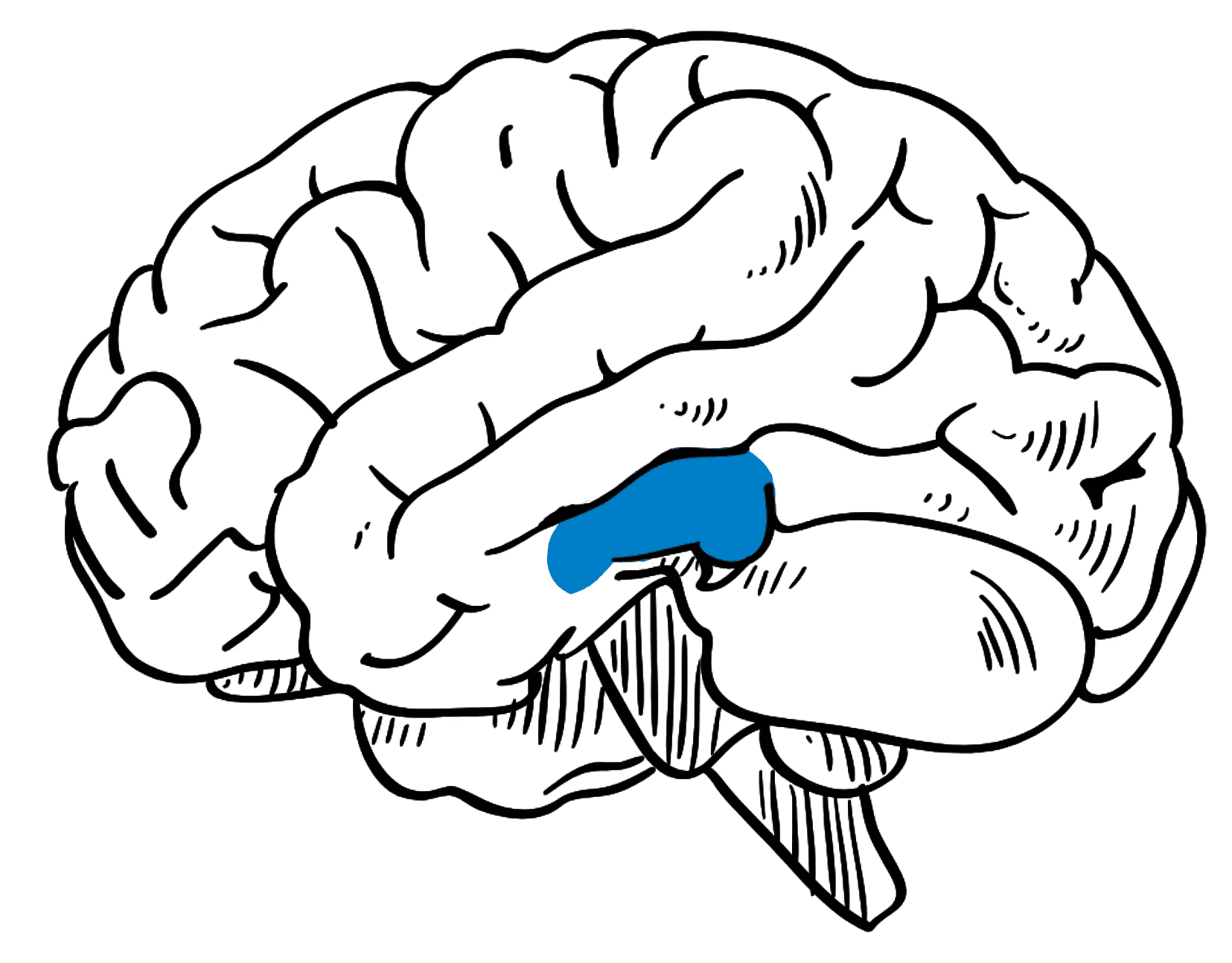
Tailor-made Organoids
Discover the brain power of our lab-grown organoids that help us study disease and test new treatments

Tailor-made Organoids
Discover the brain power of our lab-grown organoids that help us study disease and test new treatments
Tailor-made Organoids
Discover the brain power of our lab-grown organoids that help us study disease and test new treatments
From Stem Cells to
Miniature Brains
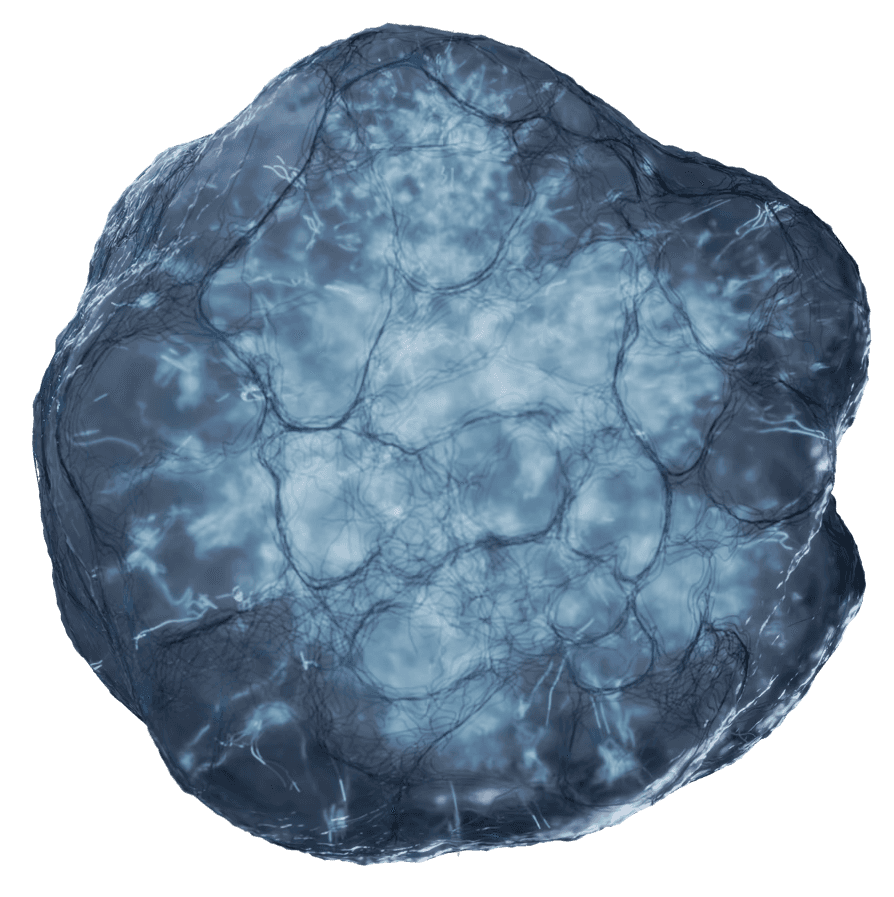
Our recent advances in stem cell research have resulted in the development of organ-specific tissue from stem cells, specifically cerebral brain organoids.
These miniature 3D cultures made from adult human blood replicate the complexity of real organs.
From Stem Cells to
Miniature Brains
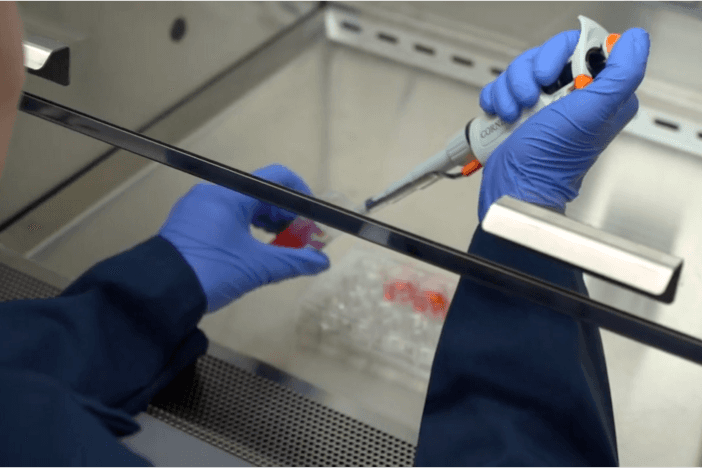
Our recent advances in stem cell research have resulted in the development of organ-specific tissue from stem cells, specifically cerebral brain organoids.
These miniature 3D cultures made from adult human blood replicate the complexity of real organs.
Our organoids provide a valuable model for researching neurodevelopmental conditions like epilepsy.
Although their current use in epilepsy research is limited, notable references in PubMed demonstrate their potential.
Our organoids provide a valuable model for researching neurodevelopmental conditions like epilepsy.
Although their current use in epilepsy research is limited, notable references in PubMed demonstrate their potential.
Unlocking Neural Activity
Unlocking Neural Activity

Unlocking Neural Activity
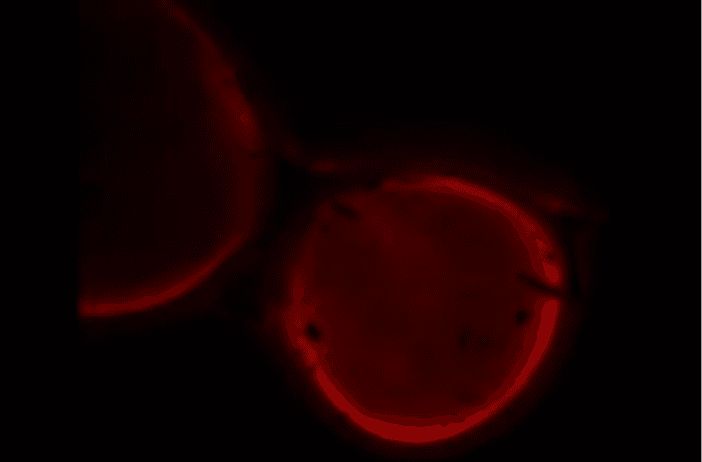
Our organoids provide a valuable model for researching neurodevelopmental conditions like epilepsy.
Although their current use in epilepsy research is limited, notable references in PubMed demonstrate their potential.
From Stem Cells to
Miniature Brains
Advancing Predictive Research
Our recent advances in stem cell research have resulted in the development of organ-specific tissue from stem cells, specifically cerebral brain organoids.
These miniature 3D cultures made from adult human blood replicate the complexity of real organs.
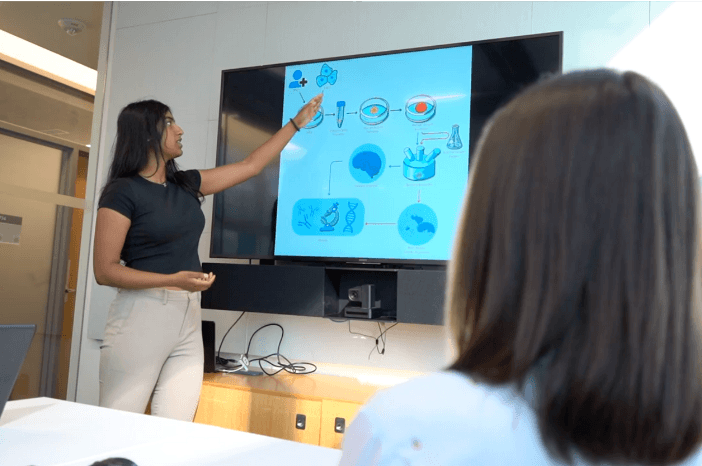
Advances in organoid technology are improving reproducibility.
Personalized medicine could benefit by creating organoids from affected patients for drug testing, but automation is essential for scaling this process (Kelava & Lancaster, 2016).
Advancing Predictive Research
Advances in organoid technology are improving reproducibility.
Personalized medicine could benefit by creating organoids from affected patients for drug testing, but automation is essential for scaling this process (Kelava & Lancaster, 2016).
Types of Brain Organoids We Develop
Cerebral Organoid
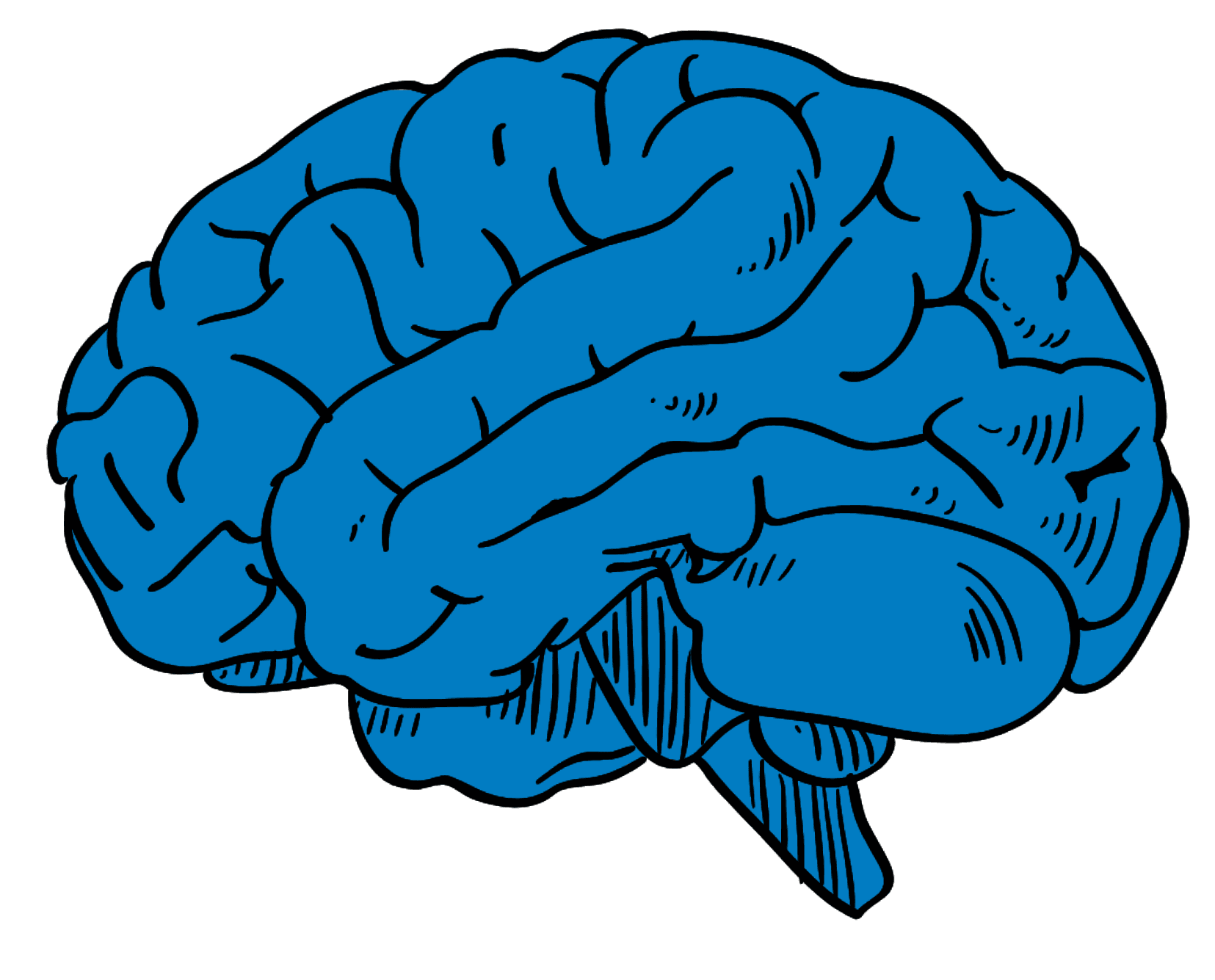
Cerebral Organoid
Guided Method: Unguided
Structures: Forebrain, Midbrain, Hindbrain
Cell Types: All cell types listed above
Diseases: Machado-Joseph disease
Guided Method: Unguided
Structures: Forebrain, Midbrain, Hindbrain
Cell Types: All cell types listed above
Diseases: Machado-Joseph disease
Forebrain Organoid
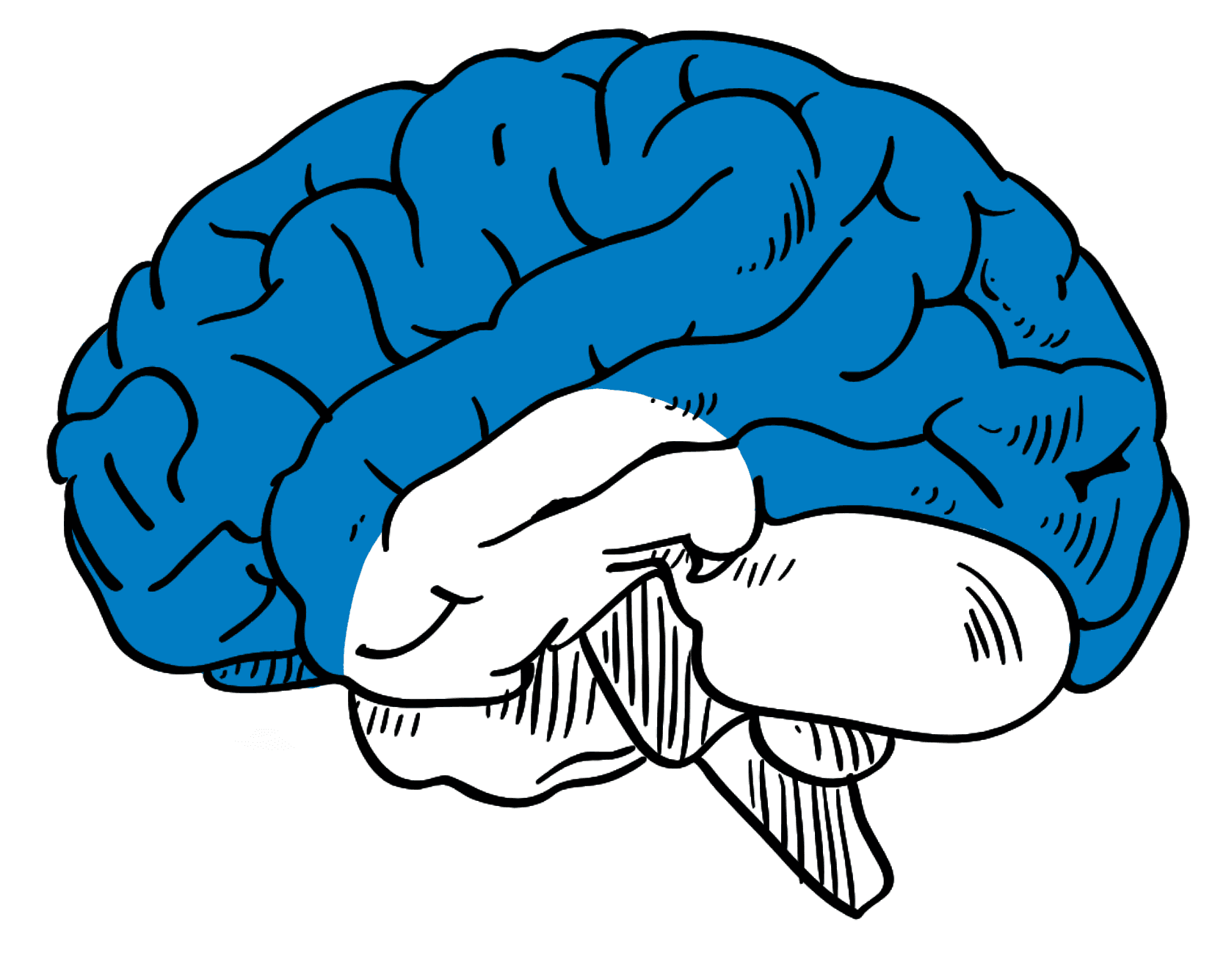
Forebrain Organoid
Guided Method: Guided
Structures: Cerebellum, Thalamus, Hypothalamus
Cell Types: Oligodendrocytes, Microglia, Astrocytes, basal radial glia
Diseases: Fragile X Syndrome, Alzheimers
Guided Method: Guided
Structures: Cerebellum, Thalamus, Hypothalamus
Cell Types: Oligodendrocytes, Microglia, Astrocytes, basal radial glia
Diseases: Fragile X Syndrome, Alzheimers
Types of Brain Organoids We Develop
Cerebral Organoid
Guided Method: Unguided
Structures: Forebrain, Midbrain, Hindbrain
Cell Types: All cell types listed above
Diseases: Machado-Joseph disease
Forebrain Organoid
Guided Method: Guided
Structures: Cerebellum, Thalamus, Hypothalamus
Cell Types: Oligodendrocytes, Microglia, Astrocytes, basal radial glia
Diseases: Fragile X Syndrome, Alzheimers
Hindbrain Organoid
Guided Method: Guided
Structures: Pons, cerebellum and medulla
Cell Types: Purkinje Cells, Granule cells
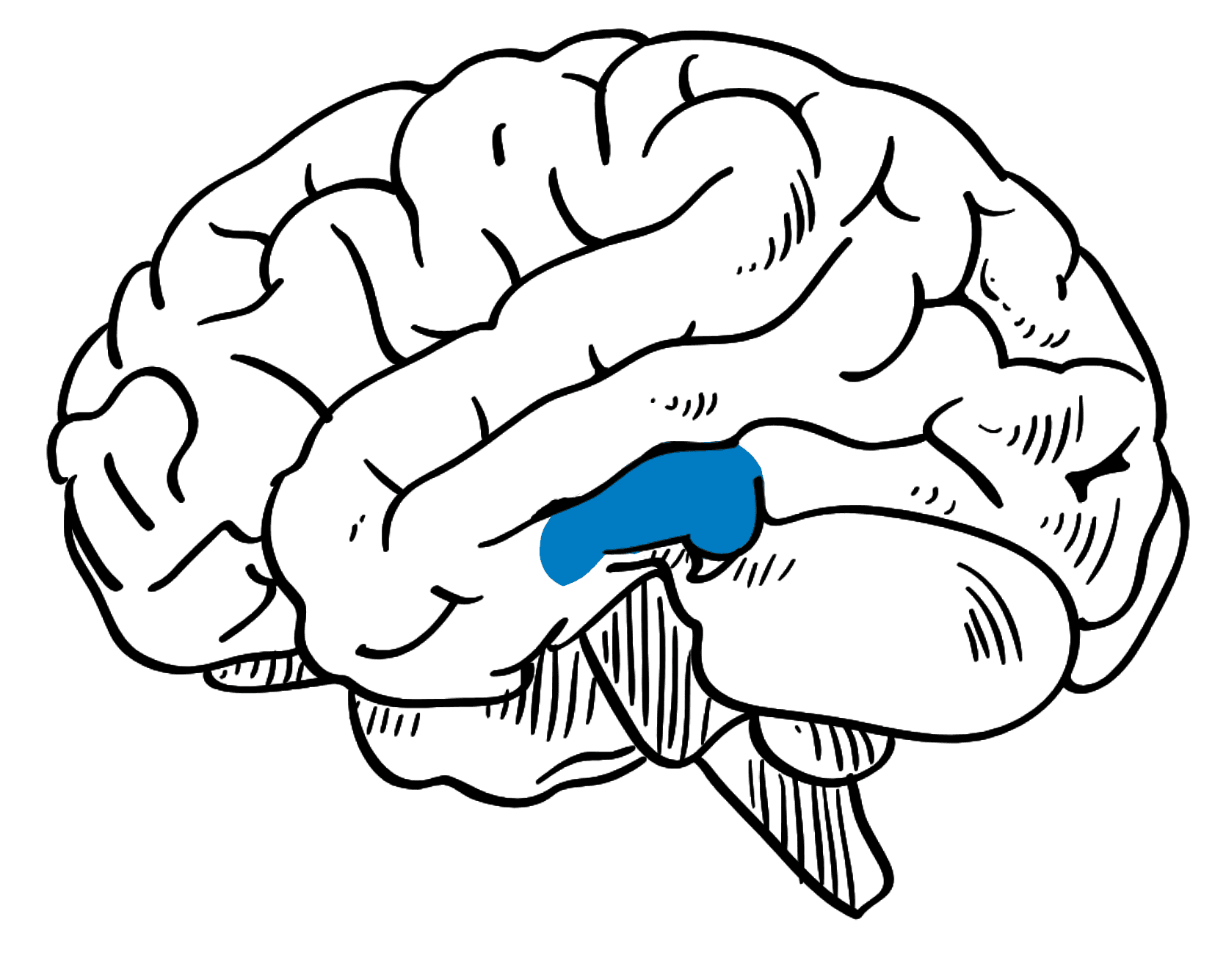
Midbrain Organoid
Guided Method: Guided
Structures: Tectum, the cerebral aqueduct, the tegmentum, and the cerebral peduncles
Cell Types: Dopaminergic, GABAergic, Glutaminergic
Diseases: Parkinsons
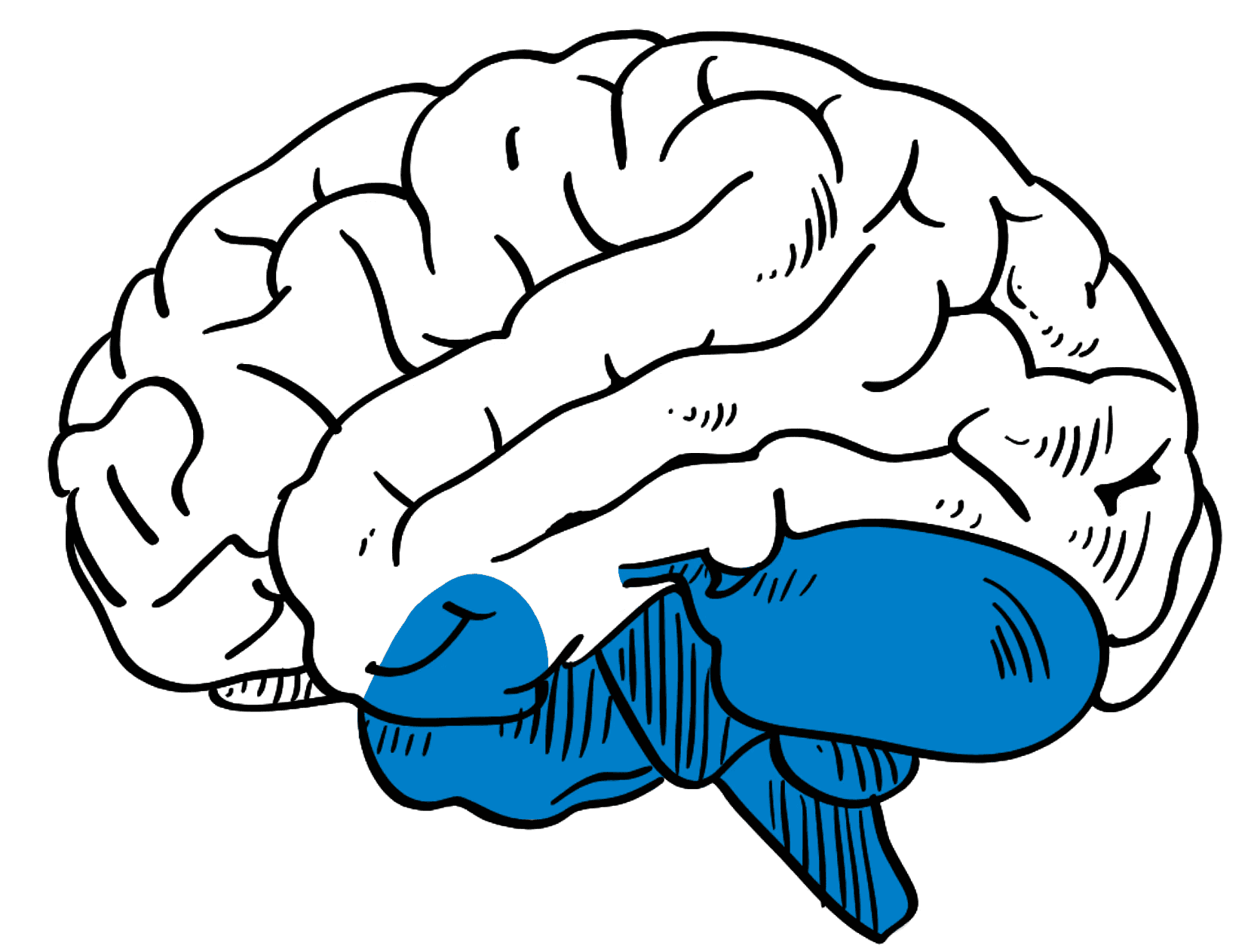
Hindbrain Organoid
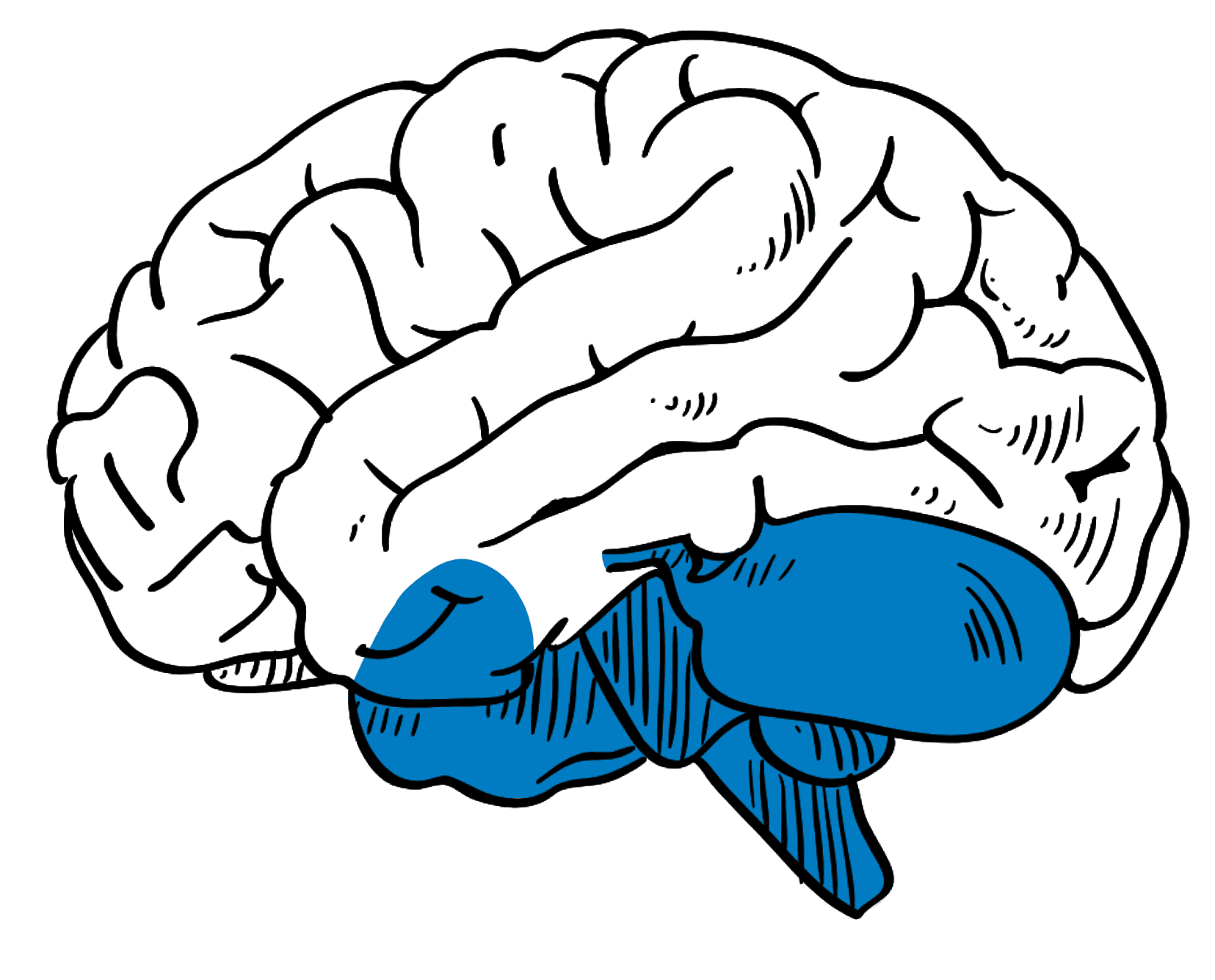
Hindbrain Organoid
Guided Method: Guided
Structures: Pons, cerebellum and medulla
Cell Types: Purkinje Cells, Granule cells